Buying a historic home in East Tennessee means budgeting for insurance requirements around older wiring and plumbing, confirming whether the property is listed on the National Register of Historic Places, and knowing that the 20% federal tax credit applies to income-producing properties, not standard owner-occupied homes.
There's a moment every buyer has standing in front of a Queen Anne on a street like ours in Sweetwater — the turret catches the light just right, the original transom windows are still intact over the front door, and you can already picture yourself on that porch. We've watched it happen dozens of times. It's one of the best parts of our job.
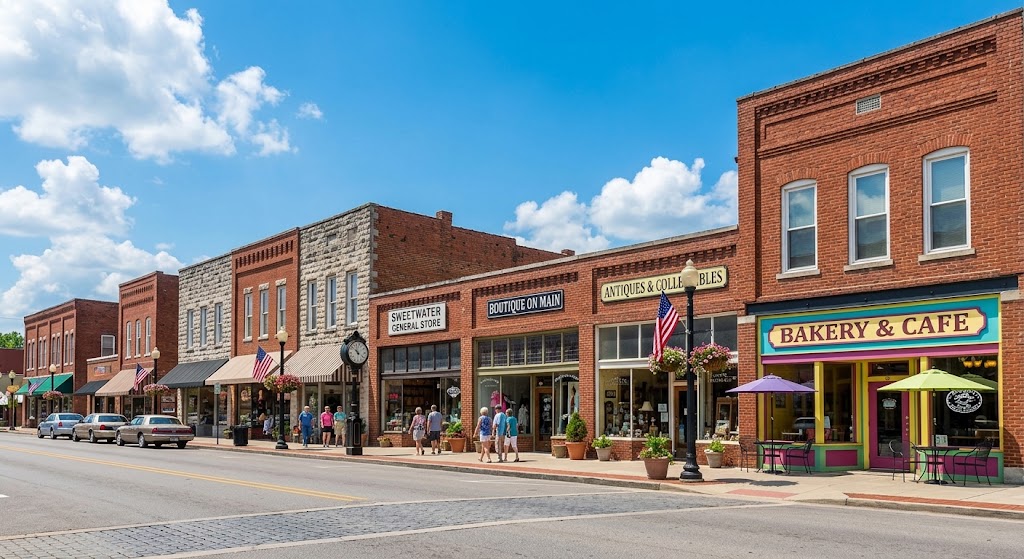
We're Beth and Tyler Martin, and we sell a lot of historic homes — Sweetwater's downtown core and the surrounding communities in Monroe, McMinn, Loudon, and Blount counties still have genuine Victorian and Queen Anne inventory with original architectural detail, the kind of houses that would cost two or three times as much if they were sitting closer to Knoxville or Nashville. That's a real advantage of buying here. But we'd rather tell you the whole story than just the pretty part, because a historic home is a different kind of purchase than a 2015 build, and the buyers who love theirs are almost always the ones who went in with their eyes open.
WHAT "HISTORIC" ACTUALLY MEANS
People use "historic" loosely to describe anything with character, but there's an actual designation behind it. A property is generally considered historic once it's at least 50 years old and carries meaningful architectural, cultural, or historical value — and many of the homes buyers fall in love with here are either listed on the National Register of Historic Places or eligible for listing.
Here's the part that surprises people: National Register listing is an honorary federal designation. It doesn't restrict what you can do with your own home. It doesn't require you to maintain the property in any particular way, and it doesn't govern how the house looks going forward — you can renovate, add on, or even demolish, subject to your local zoning, the same as any other homeowner. What listing does is create a documented record of the home's history, and open the door to financial incentives you wouldn't otherwise have access to.
THE MONEY SIDE: TAX CREDITS ARE REAL, BUT READ THE FINE PRINT
The headline incentive is the Federal Historic Preservation Tax Credit — a 20% federal tax credit on qualified rehabilitation expenses for certified historic structures. Tennessee has put this program to real use: more than 1,000 buildings across the state have been rehabilitated through it, generating over $1.5 billion in private investment.
The catch that trips people up: that 20% credit is specifically for income-producing properties — think bed-and-breakfasts, rental units, or mixed-use buildings — not a straightforward owner-occupied residence. If you're buying a historic home purely as your family's home, you likely won't qualify for that particular credit, though Tennessee does offer other incentives and grants for preservation work depending on the property and district. This is exactly the kind of detail worth confirming with the Tennessee Historical Commission before you factor tax savings into your renovation budget.
You can check whether a specific property is already listed — or eligible — through the Tennessee Historical Commission's National Register viewer before you ever make an offer. If you're seriously considering a historic property, we'll help you look that up as part of the process.
WHAT INSURANCE COMPANIES WILL ACTUALLY ASK ABOUT
This is the conversation that catches first-time historic buyers off guard: insurers treat older homes as higher risk, and they'll want specifics before they'll write you a policy.
Knob-and-tube wiring is the big one. Most insurers won't fully cover a home that still has it unless you commit to upgrading — often within 30 days of closing — and mortgage lenders frequently require the same. The good news is that major loan programs, including FHA, VA, USDA, and conventional financing, all allow knob-and-tube wiring to remain as long as it's inspected and confirmed safe, functional, and typical for the area. Most buyers end up replacing it shortly after moving in regardless, simply because modern electrical loads outpace what a 1920s system was built for.
Plumbing is the other one. Homes built before the 1960s often have galvanized steel or lead pipe, both of which corrode over time, and many insurers will require an upgrade to copper or PEX before extending full coverage. Roofs matter too — older roofing materials like slate, wood shake, or tile can push you into actual-cash-value coverage instead of full replacement cost if they haven't been updated recently.
None of this means don't buy the house. It means budget for it, and get a real electrician and plumber through the property before closing, not just a general home inspector.
FINANCING: FHA 203(k) AND SIMILAR PROGRAMS EXIST FOR EXACTLY THIS
If a historic property needs work before it's fully livable — updated wiring, a new roof, structural repairs — an FHA 203(k) loan lets you finance the purchase and the renovation in a single mortgage. The Limited 203(k) covers cosmetic and non-structural work under $35,000; the Standard 203(k) is built for bigger projects, including plumbing, electrical, and structural repairs, and requires a HUD-approved consultant to oversee the scope and budget.
Fannie Mae's HomeStyle Renovation loan works similarly for conventional buyers. Both let you roll the true cost of bringing an older home up to modern standards into one loan, rather than scrambling to pay out of pocket after closing — which matters a lot when the house you love needs a new electrical panel before you can safely move in.
WHAT WE TELL EVERY BUYER WHO WALKS INTO ONE OF THESE HOUSES WITH US
Get clear on your must-haves before you start touring. The historic inventory that checks every box — original woodwork, good bones, a manageable renovation list — doesn't sit on the market long, and the ones that do sit usually have a reason. Bring an inspector who's specifically comfortable with older construction, not just a general home inspector. And budget for surprises. Houses built in 1900 don't come with disclosure statements from the original owner.
We've sold enough of these homes to know the difference between a historic property that's a genuine find and one that's going to eat a buyer alive in year one. If you're drawn to that Queen Anne downtown or one of the farmhouses out toward the county line, we'd rather walk it with you and tell you the truth about what you're looking at than let the charm do all the talking.
Reach out — we'd love to show you what's out there.
This post covers general information about historic home tax incentives, financing, and insurance requirements. Tax credit eligibility, loan terms, and insurance requirements vary by property and lender — please consult the Tennessee Historical Commission, a licensed lender, and an insurance professional to confirm specifics for any property you're considering.