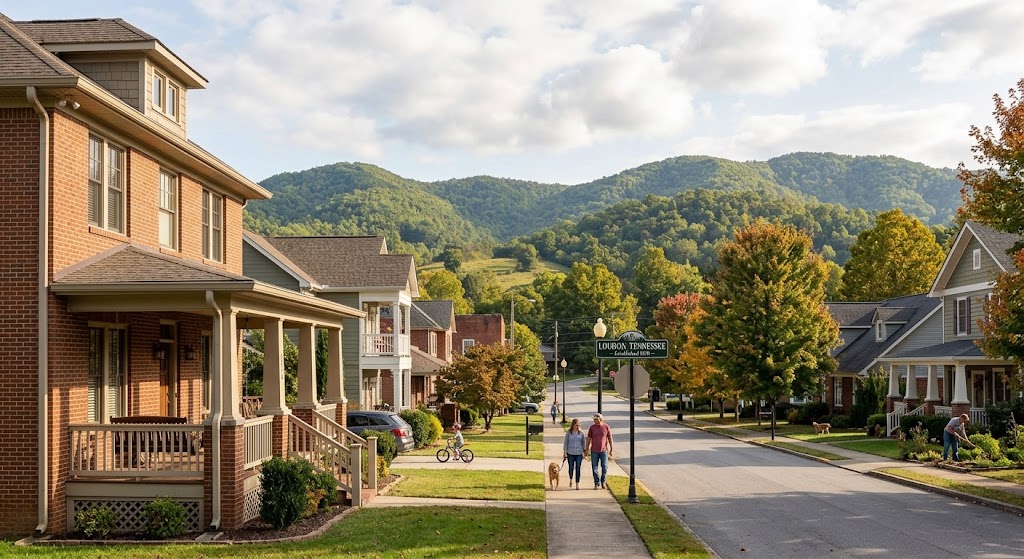
Buying new construction in East Tennessee works differently from buying a resale home. The sales rep in the model home works for the builder, the contract is usually the builder’s own form, and a written warranty often stands in for the seller disclosure. Bring your own agent from the very first visit, hire an independent inspector, and get every promise in writing before you sign.[1]
There’s a lot to love about a home nobody has lived in yet: no one else’s wiring projects, no surprise plumbing, and a floor plan that might actually be yours. It’s also easy to assume a brand-new home can’t have problems. It can, because people built it, and the buyers who feel best a year later are the ones who asked a few tough questions before closing. Whether you’re looking at a spec home in Monroe, McMinn, Loudon, or Blount County or planning to build, here’s what we’d want you to ask. (You can also see how we help on our New Construction page.)
Who Does the Builder’s Sales Rep Work For?
The builder. That’s not a knock, since most sales reps are friendly and know their product well, but their job is to sell the builder’s homes on the builder’s terms.[1] Many builders also expect your agent to come along on your first visit or be registered up front, and if you sign in alone first, some won’t recognize an agent later.[1]
So call us before you walk into a model home. We’ll handle registration, and you won’t be reading a contract by yourself.
How Do You Check Out a Builder Before You Sign?
Start with the license. Tennessee requires a contractor’s license for projects of $25,000 or more, so a builder putting up a house should hold one. Ask for the license number and verify it with the state’s Board for Licensing Contractors.[2]
Then look past the model home. Ask to see homes the builder finished a few years ago and, if you can, talk to the people living in them. How a builder handled the small problems tells you more than the countertops do.
How Is a Builder Contract Different From a Regular Purchase Agreement?
The builder drafted it, for the builder’s process. If you want to compare it with the standard route, our step-by-step guide to buying a home in East Tennessee walks through it. For a builder contract, read slowly and pay attention to:
- Completion and closing dates, and what happens if the home isn’t ready.
- What’s actually included. Get allowances, finishes, and upgrades spelled out, not promised verbally.
- Your deposit. When is it refundable, and when does it stop being?
- Incentive terms. If a credit or rate buydown depends on closing by a certain date or using a certain lender, find out what happens if that date slips.
- Inspection access. Whether you can bring your own inspector, and when.
One Tennessee-specific detail: the state’s seller disclosure requirement generally doesn’t apply to new construction that comes with a written warranty.[3] That makes the contract and the warranty the documents you’re relying on. A local real estate attorney can review a builder contract before you sign, and we’re happy to walk through it with you first.
Do You Really Need an Inspection on a Brand-New Home?
We’d say yes. The city or county code inspections that happen during construction are not the same thing as an independent inspector working for you.[4] Two moments matter most:
- Pre-drywall. After framing, electrical, plumbing, and HVAC are roughed in but before the walls close, you can see what’s about to be hidden. Inspectors commonly flag things like missing nail plates that protect wiring and pipes, loose plumbing, and poorly sealed duct connections.[5]
- Final. Just before your builder walkthrough, when everything is installed and running.[4]
Ask before you sign whether the builder allows an outside inspector at the pre-drywall stage and, if so, put it in the contract. Builders set their own jobsite rules.
What Does a New Home Warranty Actually Cover?
A common structure is a “1-2-10”: one year on workmanship and materials, two years on major systems like plumbing, electrical, and HVAC, and ten years on structural components. Some builders stop at one year.[6] Before closing, ask what’s covered and what isn’t, who stands behind it (the builder alone or a third-party warranty company), how to submit a claim, and what could void it.
And don’t wait on problems. Tennessee generally sets a four-year outer limit on construction-defect lawsuits, counted from substantial completion.[7] Keep a running list of issues, submit warranty requests promptly, and talk to an attorney if something serious turns up.
Should You Use the Builder’s Preferred Lender?
You don’t have to. Builders often tie their best incentives, like closing-cost credits and rate buydowns, to a preferred lender, and the credit can be real money.[8] But compare the whole loan, not just the incentive. Get a Loan Estimate from the builder’s lender and at least one outside lender, and look at the rate, fees, and cash needed at closing side by side.[8]
If you’re a first-time buyer, ask your lender whether the home and price fit the Tennessee Housing Development Agency’s Great Choice Home Loan, which offers down payment assistance and sets purchase price limits that vary by county.[9] Our first-time buyer programs guide breaks down how those programs work. And remember that upgrades picked at the design center add to your price and your loan, so run the new total through our mortgage calculator before you say yes.
How Long Does It Take, and What If It Runs Late?
It depends on the builder, the season, and how far along the home is. A spec home already under roof is on a very different clock than one that hasn’t broken ground. Either way, closing can’t happen until the home is finished, and lenders typically want a certificate of occupancy for new construction before they’ll fund.[10] Get an estimated completion date in writing, and ask how long your rate lock lasts and what an extension would cost if the schedule slips.
Building on a Lot or Acreage?
That’s its own checklist: septic and perc testing, legal road access, utilities, and taxes. We cover most of it in our guide to buying farm and land property in East Tennessee.
Let’s Look at It Together
New construction can be a great fit. You just want someone on your side from day one. If you’re considering a new build anywhere in Monroe, McMinn, Loudon, or Blount County, reach out before your first model-home visit. Let’s find your place.
This post covers general information about buying new construction in Tennessee and isn’t legal or financial advice. Builder contracts, warranties, incentives, and lender programs vary, so please confirm specifics with the builder, your lender, and a real estate attorney.