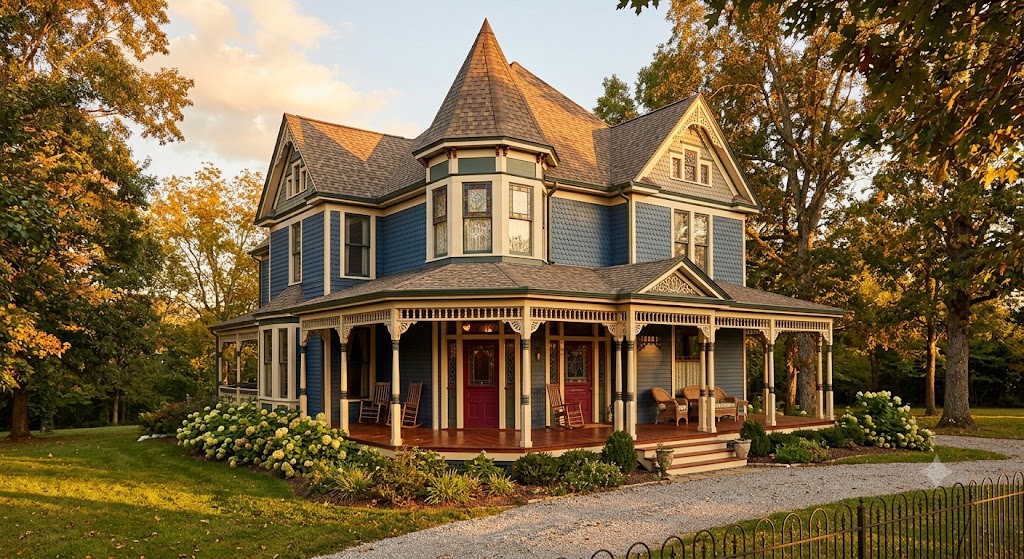
If you’re thinking about selling in Sweetwater, Monroe County, or anywhere across East Tennessee, here’s the good news first: this is still a solid market for sellers who do a few things right. The bad news, if you can call it that, is those few things matter more than they used to. The days of listing a home on a Friday and fielding ten offers by Monday are mostly behind us — and that’s not a bad thing. It just means selling well now takes strategy instead of luck.
We’ve walked a lot of families through this process, and almost every seller asks the same underlying question in a dozen different ways: how do I make sure I don’t leave money on the table? This guide is our honest answer.
Where the Market Actually Stands Right Now
Let’s start with what’s real, not what you might have heard at a dinner party.
Statewide, Tennessee’s median home price sits around $359,000, up about 2.5% year-over-year, with homes taking a median of 61 days to sell — a big jump from the 26-day pace at the height of the pandemic rush. In Sweetwater specifically, the median sale price has been running closer to $255,000, with homes averaging around 63 days on market this spring — reflecting our smaller, more specialized inventory of historic homes, farms, and acreage. Across East Tennessee more broadly, roughly 98% of homes are still selling at or above their assessed value, and pricing accuracy — not market luck — is what separates the homes that sell in three weeks from the ones that sit for three months.
Here’s the number that matters most: nearly 62% of Tennessee homes are currently selling below list price, while only about 16% sell above it. That split almost never comes down to the house. It comes down to how it was priced on day one.
Step 1: Price It Right the First Time — Not the Second
This is the step most sellers get wrong, usually with good intentions. It’s tempting to list a little high “to leave room to negotiate.” In today’s market, that strategy backfires more often than it works.
Overpriced homes don’t just sit longer — they train buyers to assume something’s wrong. By the time you drop the price, you’ve often lost the momentum of your first two weeks on market, which is when the most serious buyers are watching. A price cut rarely recovers that lost attention.
This is where Beth’s Pricing Strategy Advisor (PSA) certification earns its keep. A proper pricing strategy isn’t a guess — it’s a comparative market analysis built from recent, truly comparable sales in your specific pocket of Monroe, McMinn, Loudon, or Blount County, adjusted for your home’s condition, lot, and the pace of appreciation happening right now. In fast-moving corridors near Knoxville, that sometimes means pricing slightly ahead of recent comps because the market is appreciating faster than the data can catch up — but that call has to be backed by numbers, not hope.
The honest version: price it accurately from day one, and you’re far more likely to land in that top tier of homes selling at or above asking.
Step 2: Know What You’re Legally Required to Disclose
Tennessee gives sellers more flexibility here than a lot of states — but “flexibility” doesn’t mean “optional.”
Under the Tennessee Residential Property Disclosure Act, sellers of most one-to-four-unit residential properties must provide buyers with either a completed disclosure statement or a signed disclaimer (only allowed if the buyer agrees to waive the full disclosure). The disclosure covers material defects you actually know about — foundation issues, plumbing and HVAC problems, past water damage, known sinkholes, and similar items. You’re not required to hire an inspector or investigate further than what you personally know. But if you know about something and leave it off the form, that’s the kind of omission that can come back around as a legal dispute after closing.
A few things Tennessee does not require you to disclose: deaths or suicides on the property, nearby registered offenders, or a previous occupant’s medical history. Homes built before 1978 do require a separate federal lead-based paint disclosure.
The practical takeaway: disclose generously, document what you’ve already fixed, and let your agent walk the form with you line by line. Honesty here isn’t just the law — it’s what keeps a deal from unraveling three weeks before closing.
Step 3: Make the Prep Investment That Actually Pays Back
Not every seller needs a full professional staging package. But the data on what staging does accomplish is worth taking seriously before you decide to skip it.
According to the National Association of Realtors’ most recent Profile of Home Staging, nearly half of sellers’ agents report that staging reduces the time a home spends on market, and roughly three in ten report it increased the dollar amount buyers were willing to offer. Buyers’ agents are even more direct about the impact: 83% say staging makes it noticeably easier for buyers to picture themselves living in the space — which matters enormously now that most buyers are doing their first “showing” through listing photos before they ever request an in-person tour.
You don’t need to rent a truckload of furniture. In our experience with East Tennessee’s historic and rural properties, the highest-leverage moves are almost always the simplest: depersonalize, declutter, let the natural light in, and make sure the yard, porch, and any acreage look cared-for from the road. If your home has real architectural character — a Victorian on a Sweetwater street, a farmhouse with land — lean into that instead of over-styling it. Buyers come to East Tennessee specifically looking for that character; don’t stage it away.
Step 4: Market It Like the Story It Is
A listing that reads like every other listing gets treated like every other listing. East Tennessee homes rarely need that kind of flattening.
Whether your home sits on Tellico Lake, backs up to the Cherokee National Forest, or occupies a corner of Sweetwater’s historic downtown, the story of the property is part of what you’re selling — and it’s often what a generic listing description misses entirely. Good marketing here means professional photography that actually captures the light and the land, a description that names the real features buyers are searching for (lakefront access, acreage, in-town walkability, school zone), and distribution beyond just the MLS — social media, targeted outreach to agents actively working relocation buyers, and, where it fits, direct outreach to out-of-state buyers who’ve already shown interest in the area.
This is also where a Real Estate Negotiation Expert (RENE) designation and a Seller Representative Specialist (SRS) designation earn their place, not just on a wall plaque. Once offers start coming in, negotiation strategy is the difference between accepting the first reasonable number and working every offer to its full potential — on price, on closing timeline, on who pays for what at closing.
Step 5: Navigate the Offer, Inspection, and Closing Process
Getting an offer is a milestone. It’s not the finish line.
Once you accept an offer, Tennessee buyers typically move through an inspection period, appraisal, and financing contingency before closing — and this is where deals most often wobble. If an inspection turns up a repair request, you’re not obligated to fix everything the buyer asks for, but you are obligated to negotiate in good faith, and any agreed-upon repairs need to be documented in the purchase agreement, not handled with a handshake. If your home comes back from appraisal under the contract price — which happens more in a market where pricing has been running ahead of recently closed comps — you’ll want an agent ready to challenge that number with supporting data, not just accept it.
Closing itself in Tennessee typically runs 30 to 45 days from a signed contract, depending on the buyer’s financing. Having someone who’s walked this timeline dozens of times, and who knows exactly which local lenders and closing attorneys move fast, is worth more in these final weeks than at almost any other point in the process.
What East Tennessee Buyers Are Actually Looking For
If you’re selling a lakefront property, a legacy farm, or a home in one of our historic downtown districts, you’re not competing with generic suburban inventory — you’re competing for a specific kind of buyer who came here on purpose. Relocators moving from out of state are drawn to exactly the things that make Monroe, McMinn, Loudon, and Blount Counties distinctive: real acreage, real architecture, and a slower pace without sacrificing access to Knoxville and Chattanooga. Selling well here means leaning into that identity in your pricing, your prep, and your marketing — not smoothing it out to look like everywhere else.
The Honest Version
Selling in East Tennessee right now isn’t hard — but it does reward sellers who treat it like a process instead of a formality. Price it accurately from the start. Disclose what you know. Prep it so buyers can picture themselves there. Market the story, not just the square footage. And have someone in your corner who can negotiate the details once an offer is on the table.
That’s exactly what we’re here for. Beth and Tyler Martin have built The Martin Group around one idea: serve people well, with honest guidance from the first conversation through closing day. If you’re thinking about selling in Sweetwater or anywhere across East Tennessee, start with a free home valuation — no pressure, just an honest look at where your home stands today.